
As businesses manage larger properties and rising security expectations, traditional surveillance methods are starting to show their limits. Fixed cameras leave blind spots, physical patrols take time, and many sites remain vulnerable after hours or in low-visibility conditions.
Addressing these security challenges brings us to drone technology and thermal drones, which can improve surveillance and security for vast outdoor business facilities, including construction sites, warehousing, agricultural lands, retail parks, university and corporate campuses, large event venues, and more.
Join us as we dive into what thermal drones are, how they work, their use cases, and why businesses are turning to them to strengthen security coverage and visibility across their properties.
What Is a Thermal Drone?
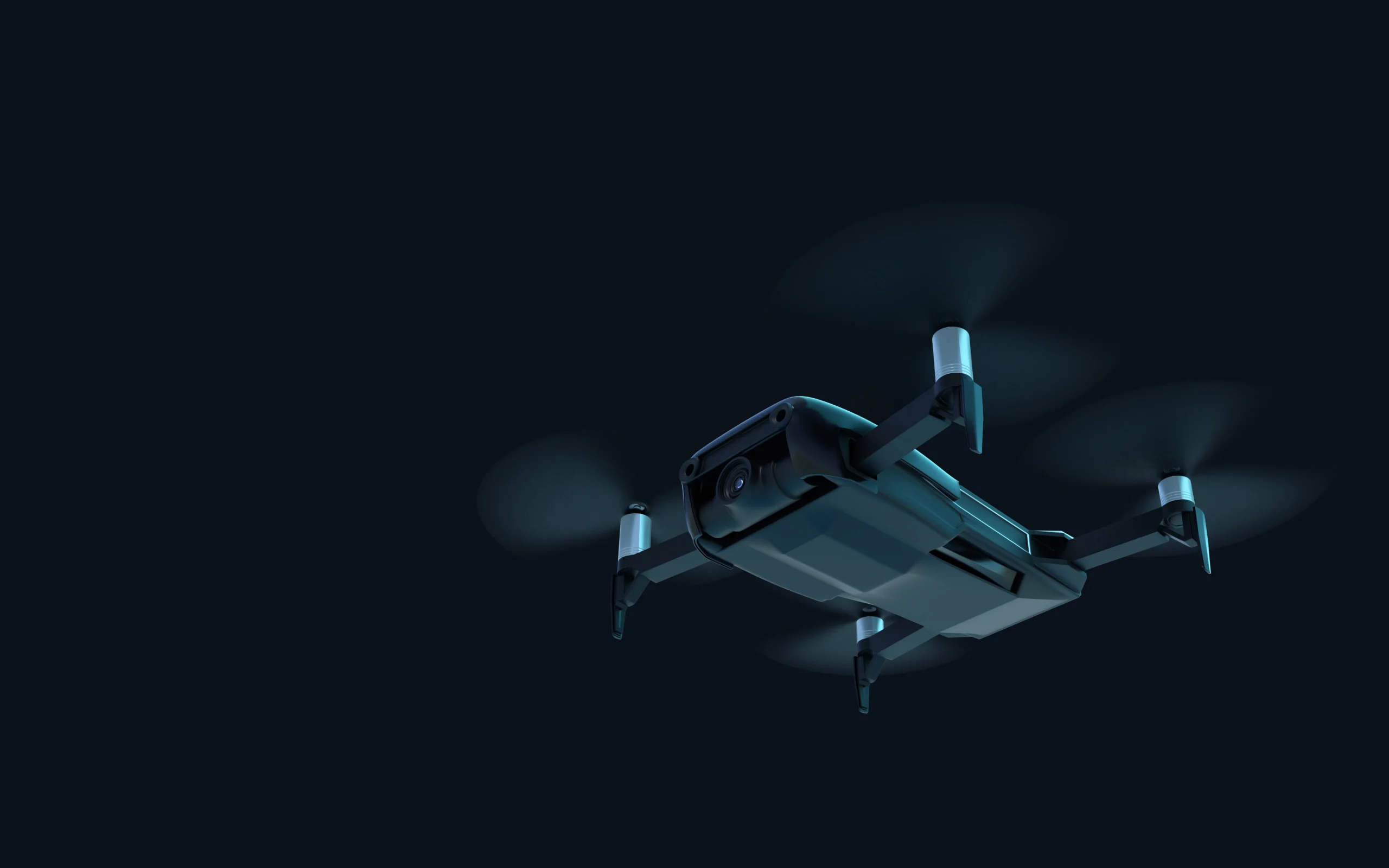
A thermal drone is an unmanned aerial vehicle equipped with a thermal imaging camera that detects heat rather than visible light.
Its primary function is to identify heat signatures emitted by people or other heat-producing sources across large areas from the air.
Thermal drone use was typically limited to military or emergency response applications, as they can locate casualties hidden in dense foliage or smoke. However, in recent years, thermal drones have become a suitable option for general business security.
How Do Thermal Drones Work?
Thermal drones detect infrared radiation emitted by all objects based on their temperature. This radiation exists outside the visible light spectrum, which is why it cannot be seen by the human eye. Thermal cameras capture this infrared energy and convert it into an image called a thermogram, where temperature differences appear as varying shades or colors.
People, vehicles, and operating equipment emit heat that contrasts with their surroundings, making them stand out, even if, to the human eye or a traditional camera, they cannot be seen at all.
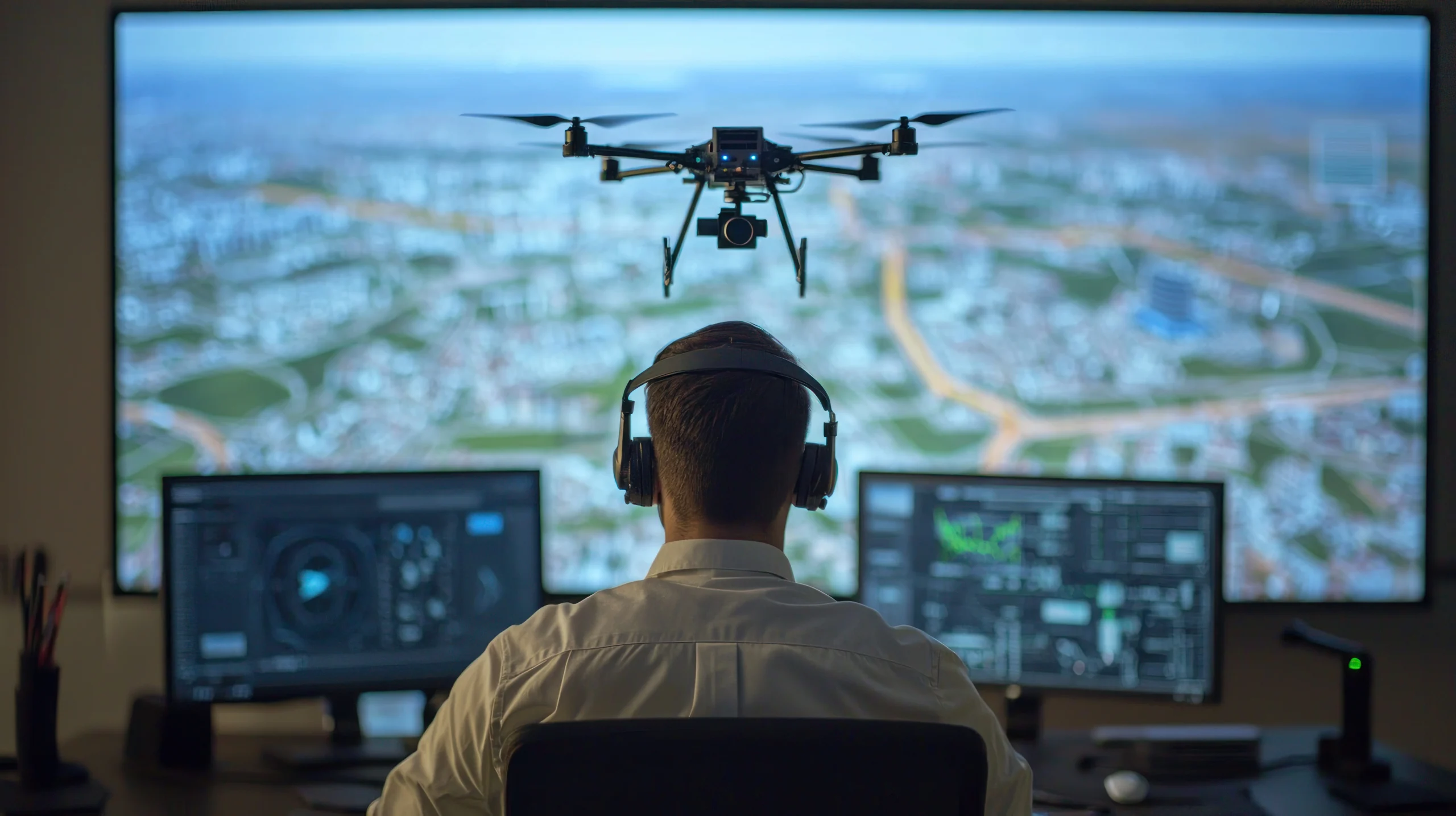
Modern thermal drones are typically integrated with GPS and automated flight software, so they can be programmed to follow set patrol routes and monitor specific zones. When paired with other security systems, thermal drones that detect heat anomalies can trigger alerts, prompting immediate review of what is being captured by security teams.
Thermal vs Optical Surveillance: What’s the Difference?
Thermal and optical surveillance are two types of camera technology in drones that operate in different ways and offer unique strengths, limitations, and use cases.
An optical camera refers to cameras that capture visible light, which can be found in any drone, as well as traditional CCTV systems.
Standard drones rely on optical cameras that capture visible light, producing clear images and footage during the day or in well-lit environments.
Thermal drones, on the other hand, have cameras that visualize temperature differences, allowing them to be effective in dark, foggy, smoky, or partially obstructed environments.
Here’s a full breakdown of the differences between thermal cameras and optical cameras (for standard drones):
| Feature | Thermal Cameras | Optical Cameras |
| How it works | Detect infrared radiation (heat) and convert it into a visual image | Capture visible light to produce high-resolution images |
| Strengths | Works in total darkness
Sees through smoke, fog, foliage, or thin barriers Detects overheating equipment or potential fire sources |
Provides detailed visuals
Ideal in bright conditions |
| Limitations | Lower image detail
Difficulty identifying faces or small objects May struggle to distinguish objects of similar temperature Limited detection range |
Performance drops in darkness or low-visibility conditions
Needs additional lighting at night |
| Best Use Cases | Nighttime security
Hidden intruder detection Fire and heat monitoring |
Daytime surveillance
Identification Access point monitoring |
| Business Benefits | Early detection of threats or hazards in challenging conditions | Clear documentation and identification |
Top Use Cases for Thermal Drones for Businesses
Since thermal drones give businesses visibility in situations where traditional surveillance struggles, they have specific use cases:
1. Nighttime Security
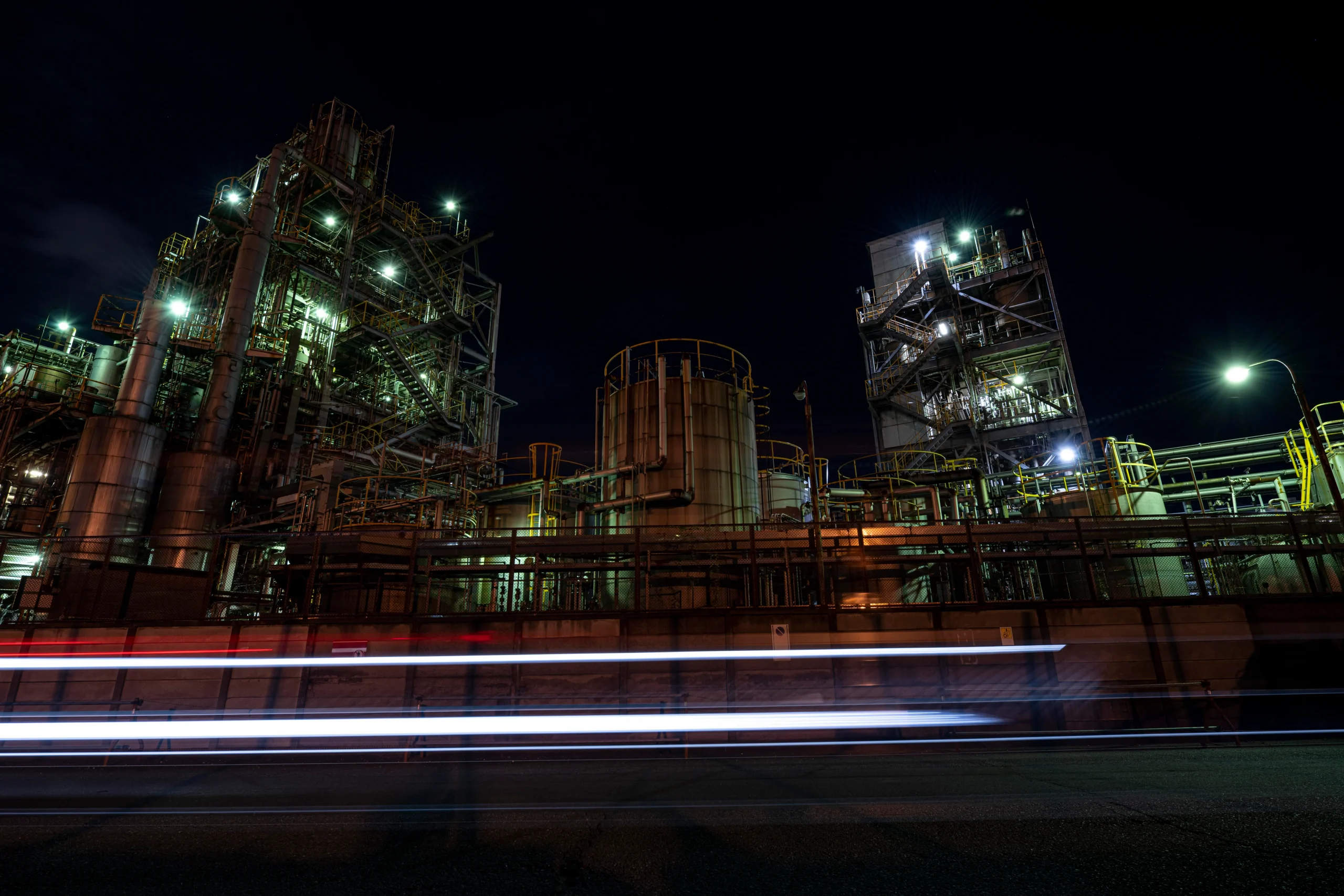
Thermal drones are especially effective after dark, when most security incidents occur, and visual cameras lose effectiveness.
Instead of relying on floodlights or motion-triggered lighting, drones identify human heat signatures directly, letting security teams detect intruders in complete darkness, even across large or poorly lit sites.
Using thermal drones this way also reduces energy costs tied to nighttime illumination, making this use case most suitable for industrial parks, logistics hubs, corporate campuses, and remote facilities where lighting every area is impractical.
2. Patrolling
During a patrol, thermal drones continuously scan predefined routes and zones, monitoring for:
- Human heat signatures in restricted or off-hours areas
- Movement patterns near perimeters, fences, loading docks, and access points
- Heat sources where no activity should exist, such as people behind walls or idling vehicles after hours
When a potential issue is detected, the drone automatically alerts security teams for review and verification, which creates a close oversight of a site in lowlight or extreme weather conditions without needing on-foot patrols, which can be too slow or unsafe in challenging environments.
3. Fire Monitoring and Heat Source Detection
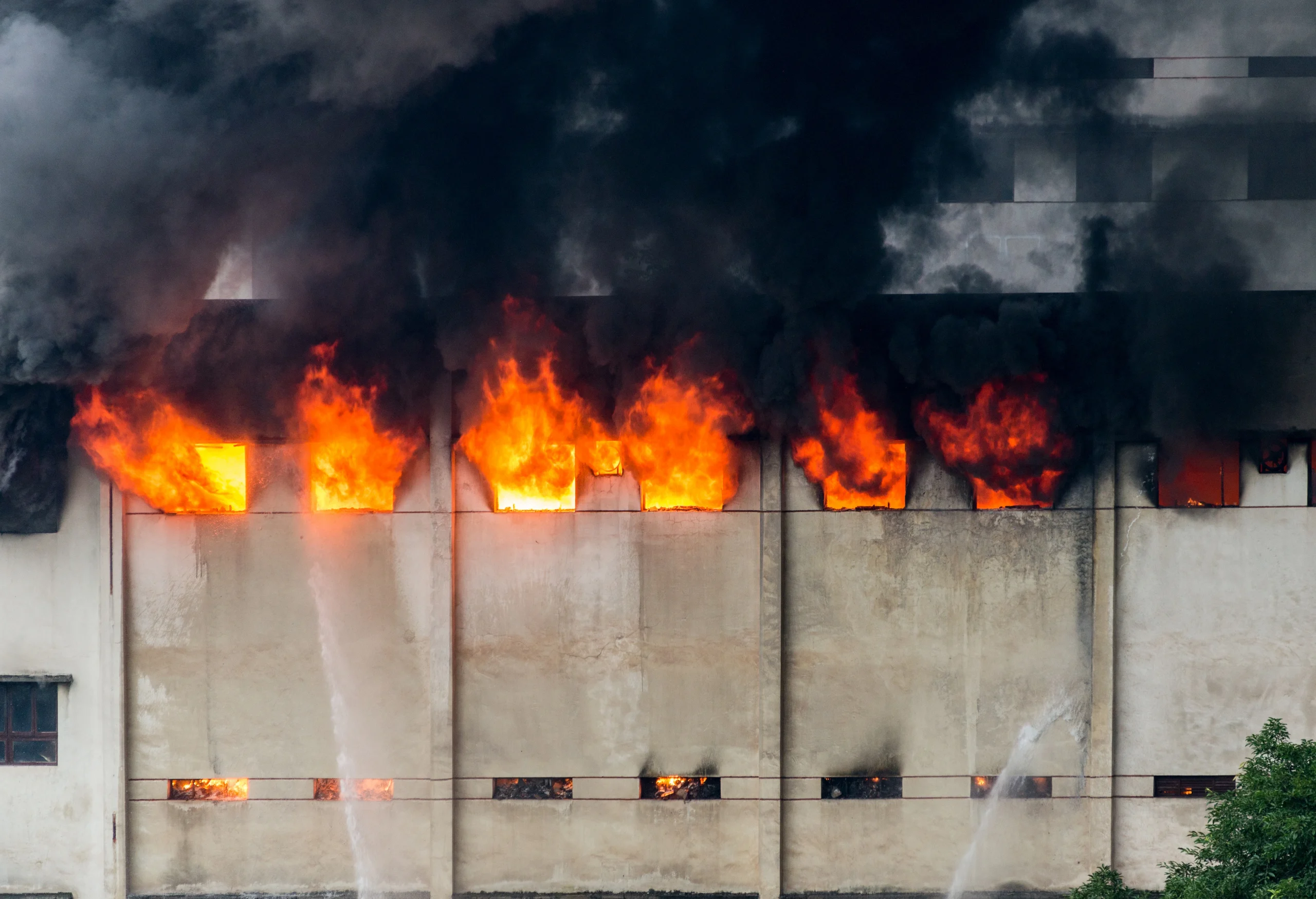
Thermal drones help reduce the risk of uncontrolled fires by detecting heat anomalies early, often before smoke, flames, or alarms are triggered.
Thermal drones scan facilities for abnormal heat patterns that indicate a problem in its early stages. In warehouses, factories, construction sites, or outdoor storage areas, this can include heat buildup inside stacked inventory, near electrical panels, or around fuel and battery storage.
As the drone can identify even minor changes in heat, teams can spot issues early and intervene before they escalate into a full-scale fire.
Similarly, electrical systems, generators, and heavy machinery naturally generate heat during operation, but overheating often signals mechanical failure or electrical faults. Thermal drones can identify these hotspots and let maintenance teams shut down equipment to perform repairs or isolate the issue before it causes damage.
4. Site Safety and Compliance
Thermal drones can identify unauthorized site access during off-hours and access to restricted zones, promoting other security measures, such as alarms to warn intruders to leave, or a security guard to respond.
Unauthorized access creates significant liability exposure for businesses and can endanger people on site, so thermal drones help confirm that all workers have exited after shifts end, reducing safety and liability risks.
Thermal drones can also provide visual records of site checks by capturing time-stamped footage and heat data, which supports compliance reporting and internal audits.
How Thermal Patrols Are Deployed on Business Sites
Deploying thermal drone patrols on a business site begins with assessing the property layout and risk profile.
Patrol routes are designed around high-value areas such as perimeters, access points, storage zones, and areas with limited visibility. Then, flight paths are mapped to provide consistent coverage while avoiding specific obstacles and areas (such as sensitive operations, at the business’s discretion).
A schedule is established, and is typically aligned with off-hours, such as overnight, or known risk windows when sites are least active and most vulnerable.
Drone monitoring does not require on-site control at all times, since security teams can oversee footage through their phones or centralized control centers.
Example of a Thermal Patrol
A logistics company with a large warehouse complex deployed thermal drone patrols to monitor its perimeter overnight. The drones followed pre-planned routes every hour, scanning loading bays and outdoor storage areas, as well as along the perimeter.
During one patrol, a thermal drone patrol detected a heat signature behind stacked pallets near the fence. The system flagged the anomaly and sent an alert to the security team, who checked the live feed to confirm that an individual was attempting to access the site through a blind spot not covered by fixed cameras.
Security activated perimeter lighting and dispatched on-site personnel to escort the individual off the premises, resolving the incident before any breach occurred.
Support Your Business’s Security With Thermal Drones
Thermal drones help businesses protect their sites overnight and in unfavorable lighting conditions, filling any gaps left by other security measures such as surveillance cameras and access control systems.
At Drone Patrol, we deliver industry-leading thermal drones to help you protect your property. Contact our team today to find out more information about the drones we offer and begin entering a new level of security for your business.
Thermal Drone FAQs
What areas of my business benefit most from thermal surveillance?
Thermal drones are most useful in locations where traditional visual monitoring is limited, such as:
- Warehouses
- Construction sites
- Agriculture areas
- Entrances and exits
- Perimeters
- Parking lots
Are thermal drones expensive to operate?
The cost of thermal drones mostly depends on the drone model and varies widely between manufacturers.
While upfront costs can be higher than standard surveillance equipment, the ROI typically comes from reducing security incidents and minimizing the need for physical patrols or lighting infrastructure across large or difficult-to-monitor areas.
Can thermal drones replace human security patrols?
Thermal drones are most effective when used alongside human security teams, not as a replacement.
Although drones can patrol large areas faster than humans and detect heat signatures in darkness or behind obstructions, human judgment is still needed to investigate incidents and verify alerts.