
If your business is looking for faster and more reliable inspection processes, drone technology is a solution to consider.
While surveillance drones are primarily used by businesses to support security measures, they can also be deployed to monitor areas and conduct inspections from the sky with minimal human intervention.
Find out what drone inspections are, how they work, their benefits, which businesses are best suited for them, and the different types of drone inspections you can implement across your property.
What Are Drone Inspections?
Drone inspections are standard facility inspections that can include security checks, perimeter monitoring, roof assessments, and infrastructure reviews.
Instead of individuals conducting inspections on foot, drones (unmanned aerial vehicles) perform the inspection from the air, capturing detailed visual data across the site.
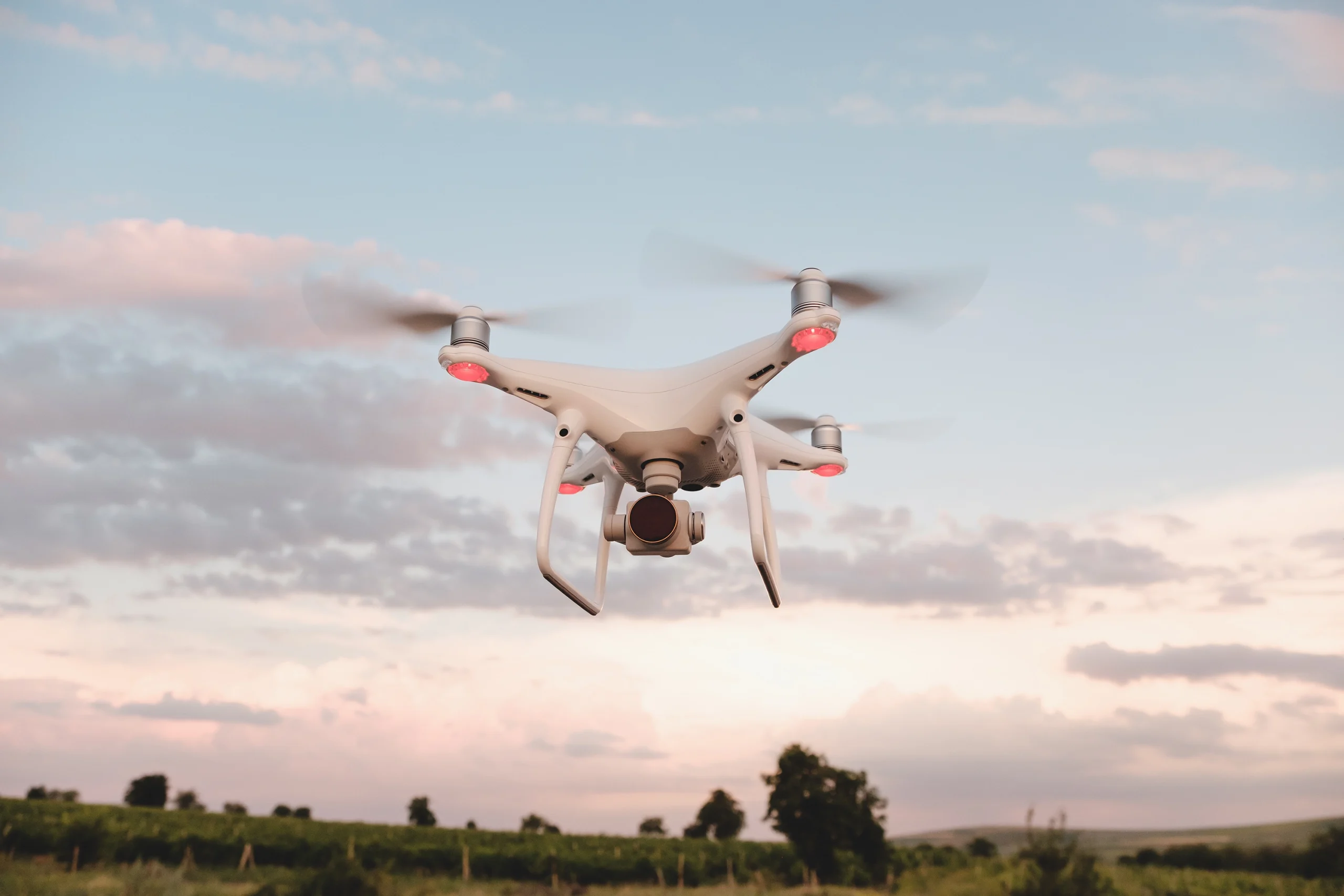
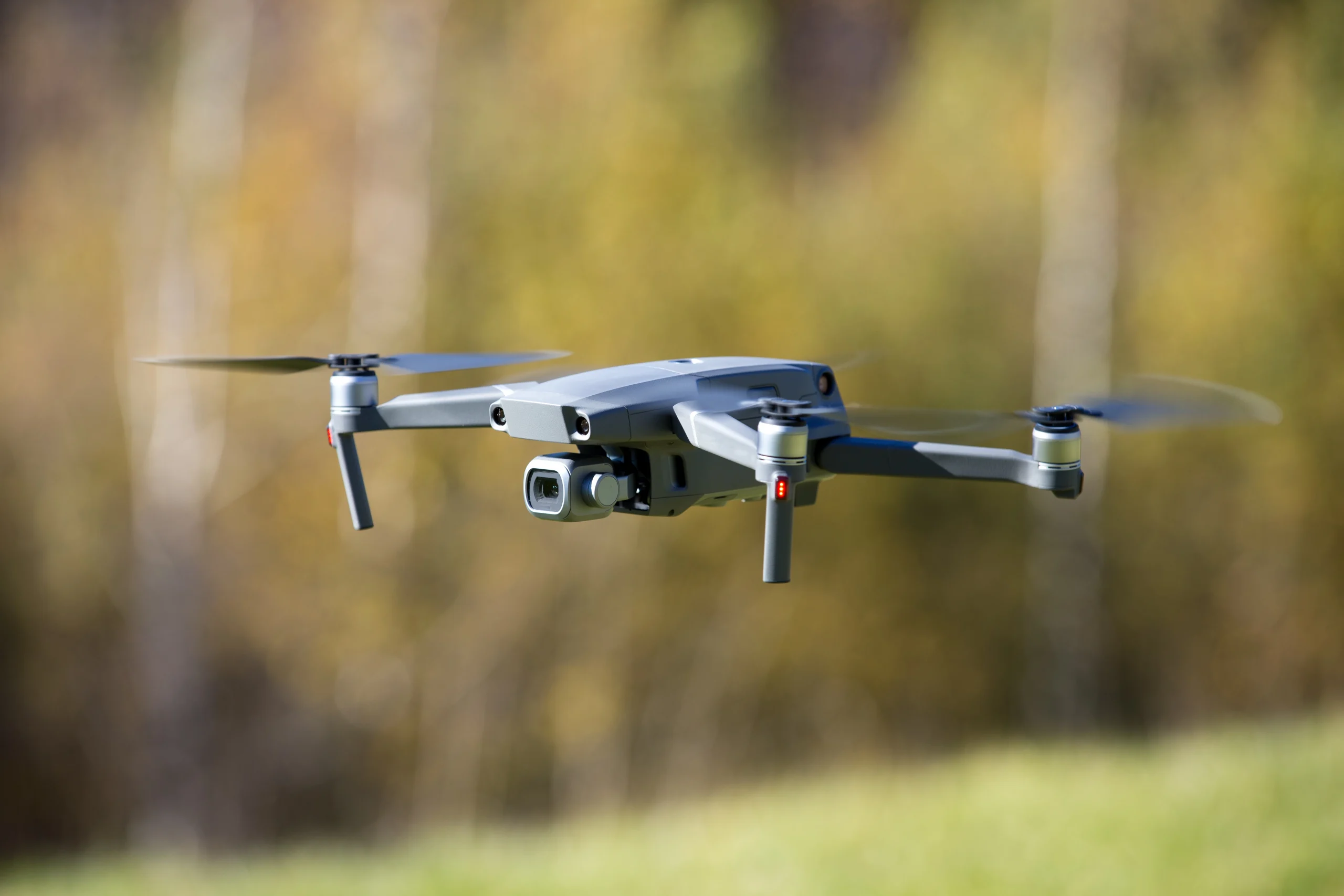
These drones are equipped with features such as:
- High-definition cameras for clear visual inspections
- Thermal imaging to identify heat patterns and irregularities
- Integrated sensors that capture environmental and structural data
How Our Drone Inspections Work
At Drone Patrol, we follow a structured process during our drone inspections to deliver consistent coverage and reliable results across each site.
Before deployment, the inspection area is mapped, and flight routes are planned based on the layout of the property, security priorities, and inspection goals. We’ll be determining the drone’s altitude, which zones it will cover and when, and which point of focus to pay closer attention to.
Once the route is set, the drone is launched from its docking station and begins its autonomous flight. During the flight, operators can zoom in on specific areas or conduct a closer inspection of any location that needs additional attention, letting any issues be reviewed immediately instead of waiting for post-inspection reports.
After completing the route, the drone returns to its dock to recharge. All footage and inspection data are automatically archived, creating a visual record for reporting and audits.
Over a set schedule determined by our team and the business we are working with, drone inspections will be repeatedly conducted, letting any patterns be identified, such as recurring maintenance issues or security risks, and potential problems flagged as soon as they occur.
When we keep a close eye on a facility and its environment, we can help our clients stay informed and confident in the safety and condition of their property.
The Benefits of Drone Inspections
Drone inspections are a modern security and surveillance solution that offer clear advantages for businesses, including:
1. Additional Safety
Inspections can be inherently dangerous, especially in areas where unstable surfaces, heights, or hazardous materials are present, which can cause serious injury or even death for inspectors or other personnel, even when inspections are conducted regularly.
Inspection drones can be operated remotely, taking the place of personnel physically inspecting hazardous areas themselves. Some locations, such as high roofs, towers, or hard-to-reach structures, can pose risks to staff.
In these situations, drones provide a safer way to capture detailed inspection footage without putting people in harm’s way, which also reduces liability for businesses.
2. Quick Deployment
Drones can be launched almost immediately and can cover up to hundreds of acres per flight, allowing site inspections to be completed far faster.
There is also no need to set up scaffolding or other heavy equipment, as drones can access elevated or restricted areas directly from the air.
3. Minimal Downtime
Drones are built with long-lasting batteries and can be recharged quickly using docking stations, meaning that even expansive sites can be completely monitored and inspected with very little interruption or downtime. With so little downtime, facilities can stay fully operational during inspections, and staff do not need to be pulled away from other tasks.
4. Ongoing Oversight
Footage from inspection drones can be streamed to business owners as it is collected, making it easy to request closer looks at specific areas or assets without waiting for follow-up visits or manual reports like a traditional inspection process.
5. Automatic Inspections & Security
Drones can operate autonomously to conduct scheduled daily inspections, reducing the risk of missed areas. While conducting inspections, drones can also support other security measures and provide a clear view of what is happening on the property, including anything that might need extra attention, such as intrusion attempts, loitering outsiders, employees in restricted areas, or damaged equipment.
Which Businesses Benefit Most From Drone Inspections?
Because of the range of use cases and capabilities tied to drone inspections, some industries are especially well-positioned to use them to improve security and site visibility. Drone inspections work best in environments where scale, accessibility, or safety concerns make traditional inspections slower or less effective.
Industries that see the strongest value from drone inspections include:
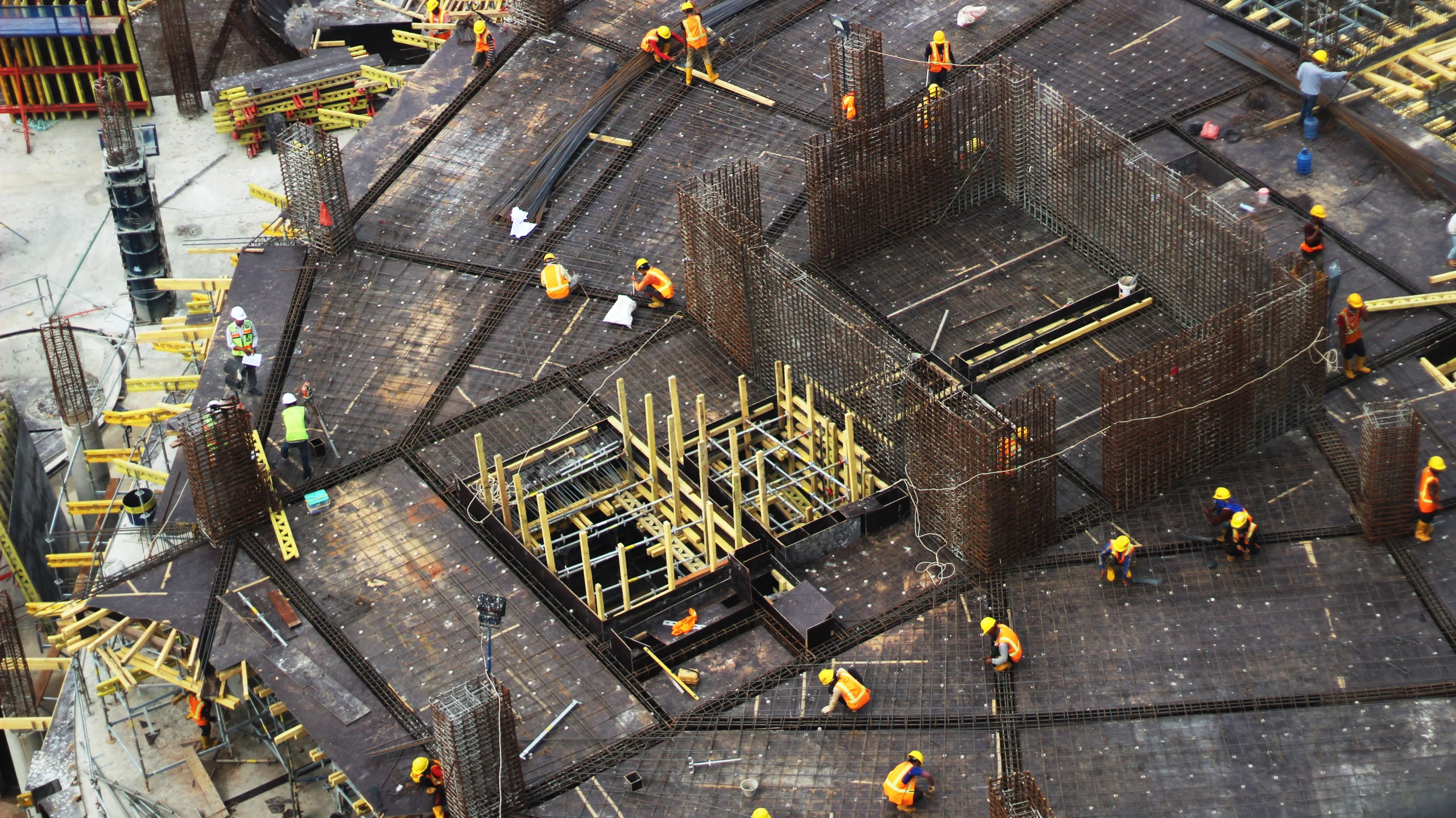
- Construction: Drones help monitor site progress and identify safety risks, while letting any changes be documented without disrupting active work zones.
- Healthcare: Large hospital campuses can use drones to support perimeter monitoring and infrastructure checks without interfering with daily operations.
- Retail: Shopping centers and large retail properties benefit from aerial oversight of parking areas and rooftops, as well as other exterior areas.
- Warehousing: Distribution centers can use drones to monitor large yards and support other security measures across a large area.
- Commercial real estate: Drone inspections offer oversight across office parks and multi-building properties to support inspections and increase security.
- Infrastructure: Businesses conducting infrastructure inspections or work can rely on drones for traffic monitoring and facility assessments that would otherwise require road closures or other disruptive solutions.
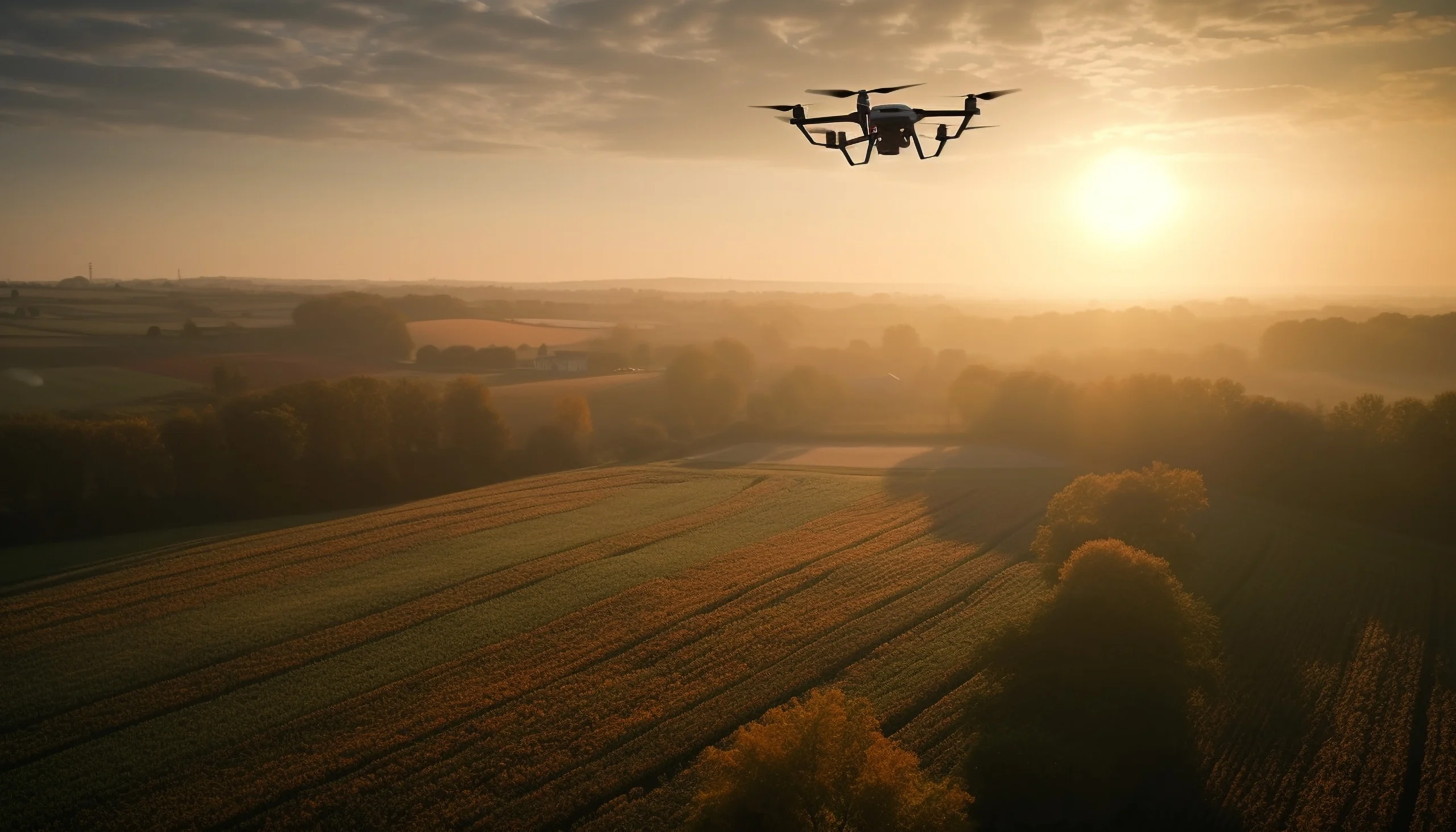
- Agriculture: Farmlands and other large agricultural areas have vast spaces that are inefficient to inspect on foot, although repeated checks are important for spotting crop issues, irrigation problems, pest activity, or other field-related issues as soon as possible, which is where drones can be a valuable alternative.
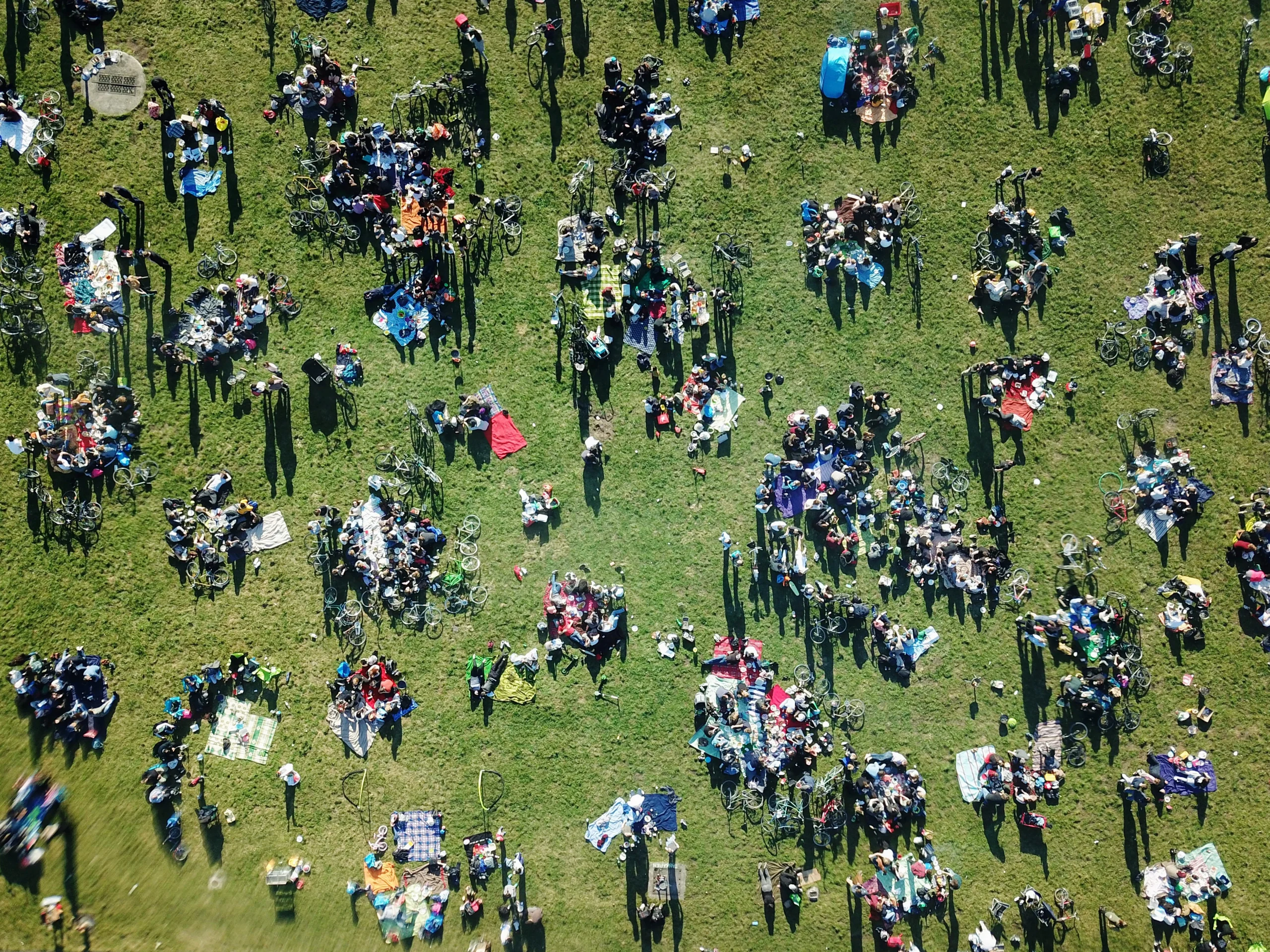
- Events: Large venues and temporary event sites can use drones to monitor crowds and assess the security of the event perimeter without getting in the way of attendees.
The Different Types of Drone Inspections
Not all drone inspections are the same, and depending on the facility, environment, business priorities, and other factors, they can be adjusted to accommodate different needs.
The main types of drone inspections your business can utilize include:
Fence lines and perimeter inspections involve drones flying the full boundary of your property to check for damage from weather or intrusion attempts, or gaps in fencing. You’ll have clear visibility along your entire property’s fence lines and access points without requiring staff to walk long distances or inspect the area after hours.
Rooftops and elevated infrastructure inspections are suited for large facilities where roofs, towers, and other structures can be inspected safely without ladders or lifts. Drones fly overhead to capture detailed imagery that helps spot structural concerns that can be addressed before they escalate into serious, costly issues.
Equipment and material zone inspections involve launching a drone to monitor storage yards and loading areas for damage, misplaced items, or exposure. Since these types of areas see frequent movement, drones are a suitable option for quick and regular inspections that keep operations efficient and organized.
Inspections of hazardous or hard-to-access areas with drones can reduce the risk individuals are exposed to, as the drones can be deployed to inspect areas that may pose risks to people, such as confined spaces, unstable surfaces, or remote sections of a site. This allows inspections to be completed without exposing staff to unnecessary safety hazards.
Maintain an Overview of Your Business with Drone Inspections
Drone inspections are a modern and efficient way to monitor a property and spot issues before they become problems. Any business that wants faster, safer, and more thorough inspections can turn to drones for real-time monitoring of its facility and land.
Want to upgrade your business inspection process with security drones? Talk to our team at Drone Patrol for a custom site inspection plan. We’ll work with your needs and preferences to provide a solution that gives full coverage, easy reporting, and peace of mind.