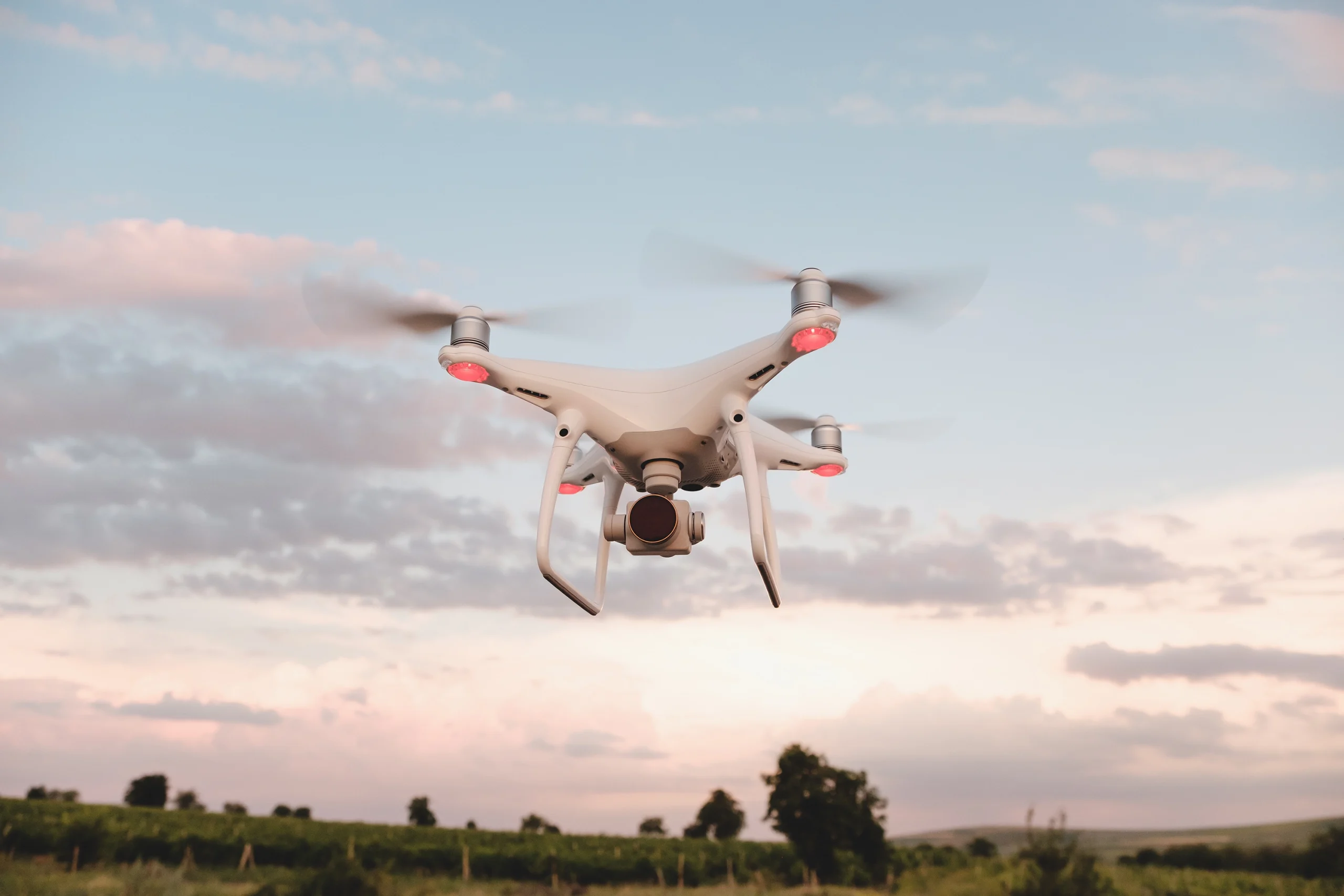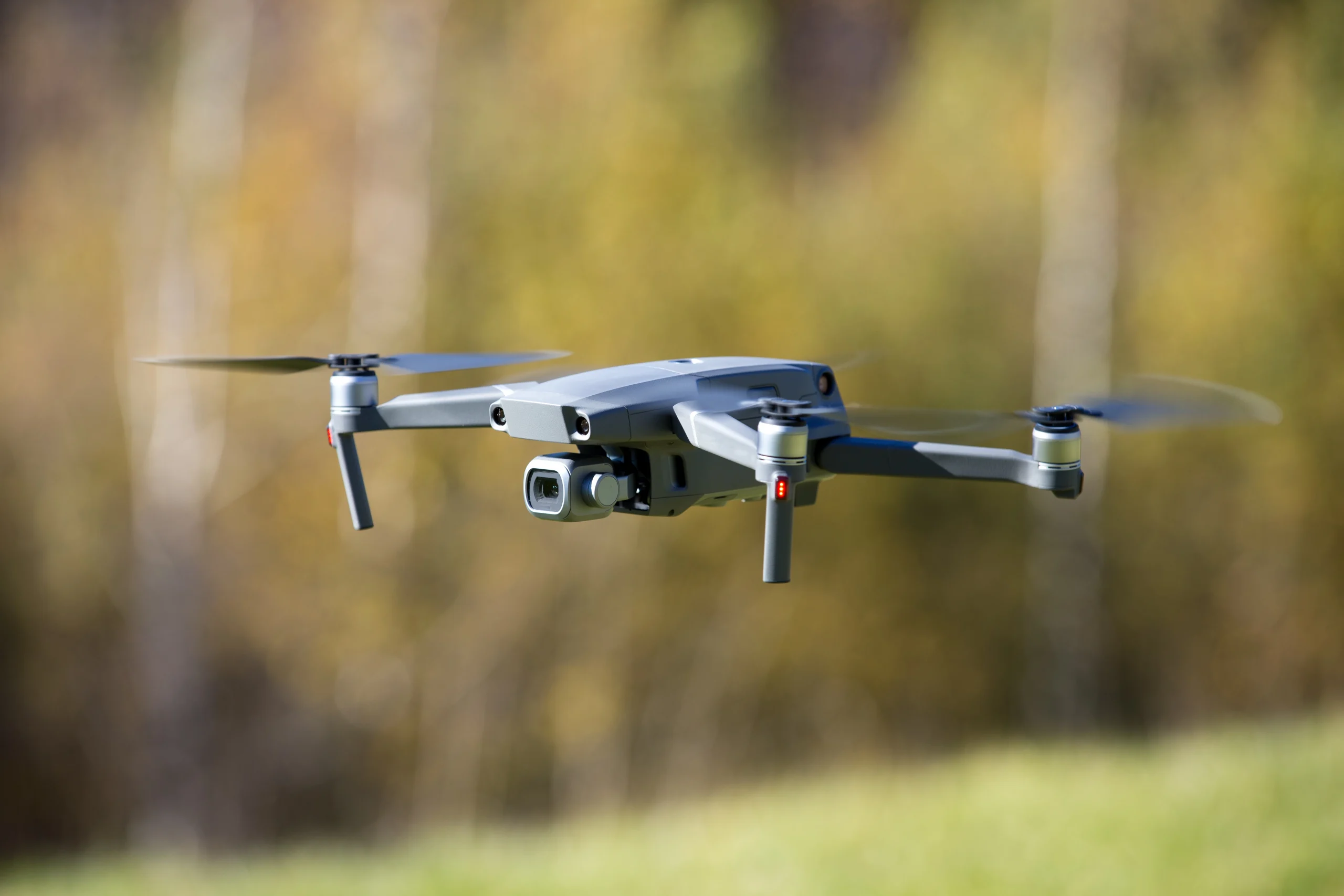

Security is a top priority when organizing events, especially outdoor ones. Concerts, festivals, sporting events, and corporate gatherings often involve large crowds, wide open spaces, and plenty of opportunities for crime or other unwanted activity. Keeping everything under control takes planning, coordination, and clear visibility across the venue.
Traditional security measures, such as surveillance cameras and guards, play a big role, though some events need extra support. That’s where an eye in the sky comes in. Security drones make it easier to oversee large areas at once, giving teams real-time visibility that’s hard to achieve from the ground alone.
Let’s take a look at the top benefits of using security drones for events and explore how this high-tech security tool can strengthen your event safety and order.
1. Constant Aerial Surveillance
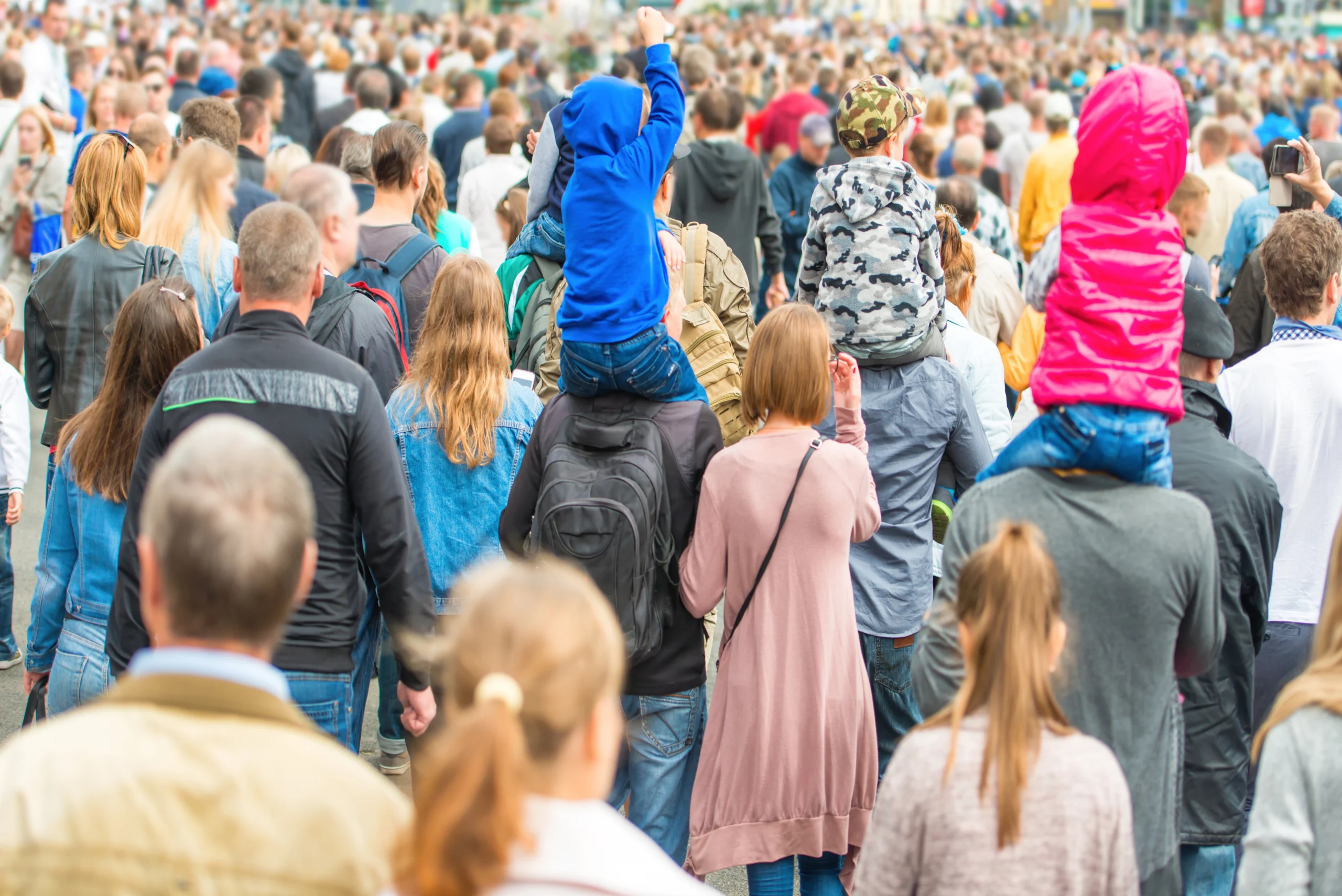
Security drones are equipped with high-quality cameras that capture clear, real-time footage of crowds and infrastructure below. This gives your team continuous visibility across the entire event space, including areas that are difficult to monitor on foot.
When a drone is surveying the whole venue, and operators are reviewing the live feed through an integrated security control center, potential hazards become easier to spot early. This includes safety risks tied to crowd movement, along with security incidents such as:
- Disorderly conduct
- Fights or physical altercations
- Suspicious behavior near restricted or high-risk areas
- Crowd surges or unsafe congestion
- Theft or vandalism targeting equipment or vendor spaces
Many top drones are also equipped with thermal imaging cameras that allow them to capture footage in low-light conditions, so even events hosted in the late hours can benefit from additional surveillance.
2. Improved Perimeter Security
Outdoor events are often set up in temporary locations, which naturally brings added complexity to perimeter control. Even with plans in place, fencing, barriers, access points, and staffed entry areas can be harder to manage compared to permanent venues.
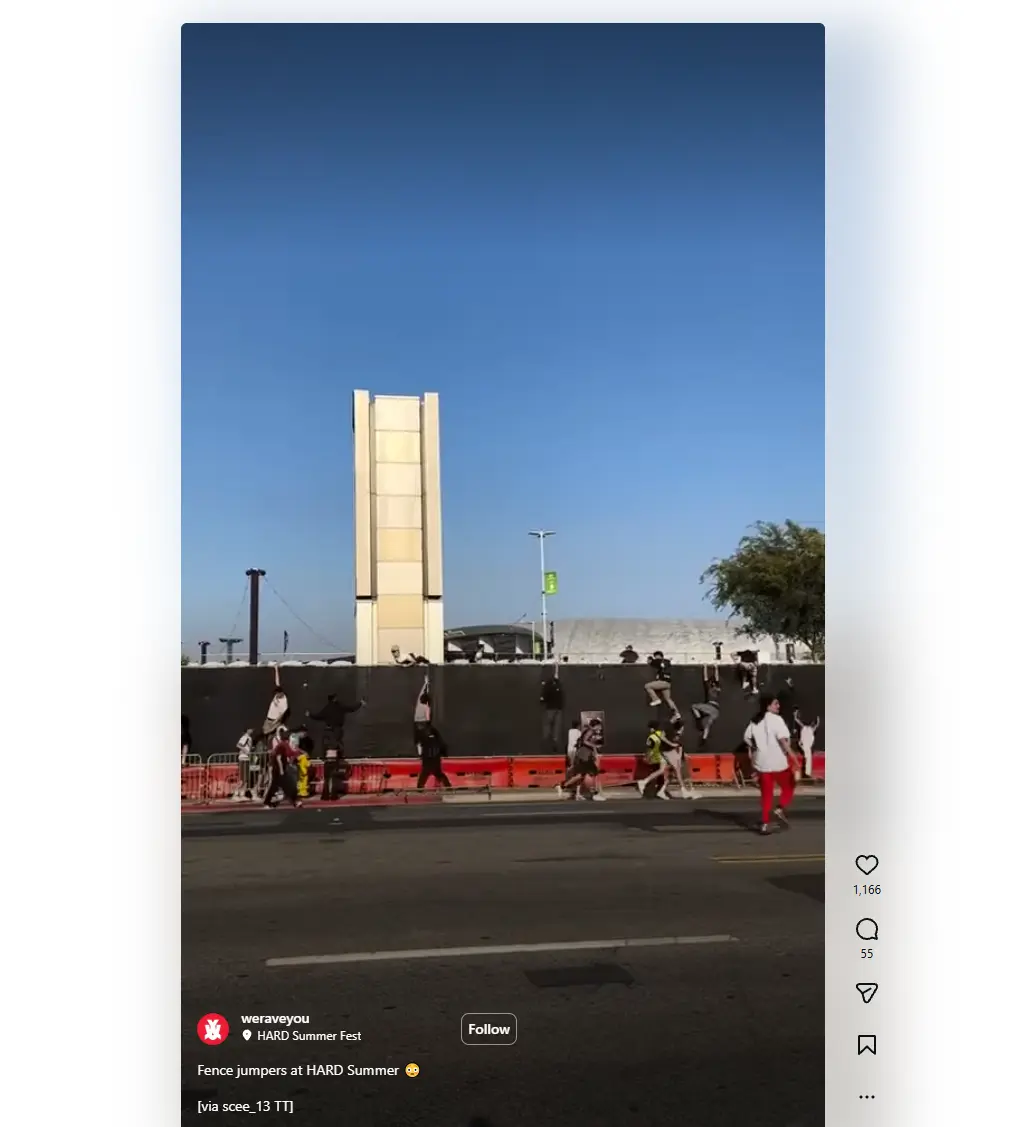
Some events face attempted breaches when unauthorized individuals climb over, push through, or damage barriers. Even high-security events can struggle to keep the perimeter fully secure, and every year, there are cases where events are disrupted or delayed after fans break through fencing while security teams are unable to respond fast enough across large areas.
Security drones help close these gaps due to their speed and wide field of view, enabling them to monitor the entire event perimeter in real time. Operators can quickly identify weak points or early warning signs that outsiders may try to breach, such as:
- Crowding or loitering near fences
- Sections of fencing are shifting or being tampered with
- Poorly lit perimeter areas
- Gaps created during setup or teardown
If a breach is detected, security teams can be directed to the exact location immediately, while the drone continues to monitor the situation and track movement in the area.
Implementation tip: Before the event, map the full perimeter and program drone patrol routes that focus on high-risk sections, including temporary fencing, back-of-house zones, and low-visibility areas. Coordinate drone operators with perimeter security teams so alerts from the air trigger fast, targeted responses on the ground.
3. Faster Response to Incidents
Security drones support faster response during incidents such as medical emergencies, fire risks, or unexpected damage across the event site. From above, drones can quickly identify areas where crowds are gathering outside of planned zones like stages or vendor areas, helping teams spot issues before they escalate.
If an incident is reported, a drone can be dispatched to the location within moments, giving operators immediate visual confirmation of what’s happening. This allows the right response to be deployed from the start, rather than sending teams in blind. In situations involving smoke, fire, or structural damage, aerial visibility adds another layer of awareness that ground teams may not have right away.
Drones also help guide security and medical personnel to exact locations, which is especially useful in dense crowds. Live aerial footage can reveal the least obstructed paths, reducing response times and limiting disruption to attendees. For larger events, this real-time view also supports coordination with local law enforcement or emergency services that may be unfamiliar with the venue layout.
Implementation tip: Integrate drone deployment into your incident response plan and assign priority triggers, such as medical calls or fire alerts. Make sure drone operators can communicate directly with security leads and emergency responders so live visuals are used to guide decisions and movement on the ground.
4. Better Crowd Management
Crowd management is a core part of event planning, especially at large or high-energy gatherings. Organizers already factor in how people will enter, move through, and exit the site, while assessing risks tied to the event’s nature, attendee demographics, accessibility needs, layout constraints, and traffic flow.
Not even with careful planning, crowd dynamics can change quickly. Density can build in unexpected areas, and exits can become obstructed after movement patterns shift. When crowd density reaches unsafe levels, the risk of harm to attendees spikes. At extreme densities, people can lose control of their movement, leading to crowd collapses or crushes with devastating consequences.
One of the most well-known examples taking place in the United States is the 2021 Astroworld Festival in Houston, Texas, where a crowd crush during the event led to multiple fatalities caused by compressive asphyxiation. Event organizers had stated that they foresaw the crowding issues and had miscalculated the number of people that could be legally allowed on the site. There was also a recorded failure to monitor the crowd for signs of potential crowd crush.
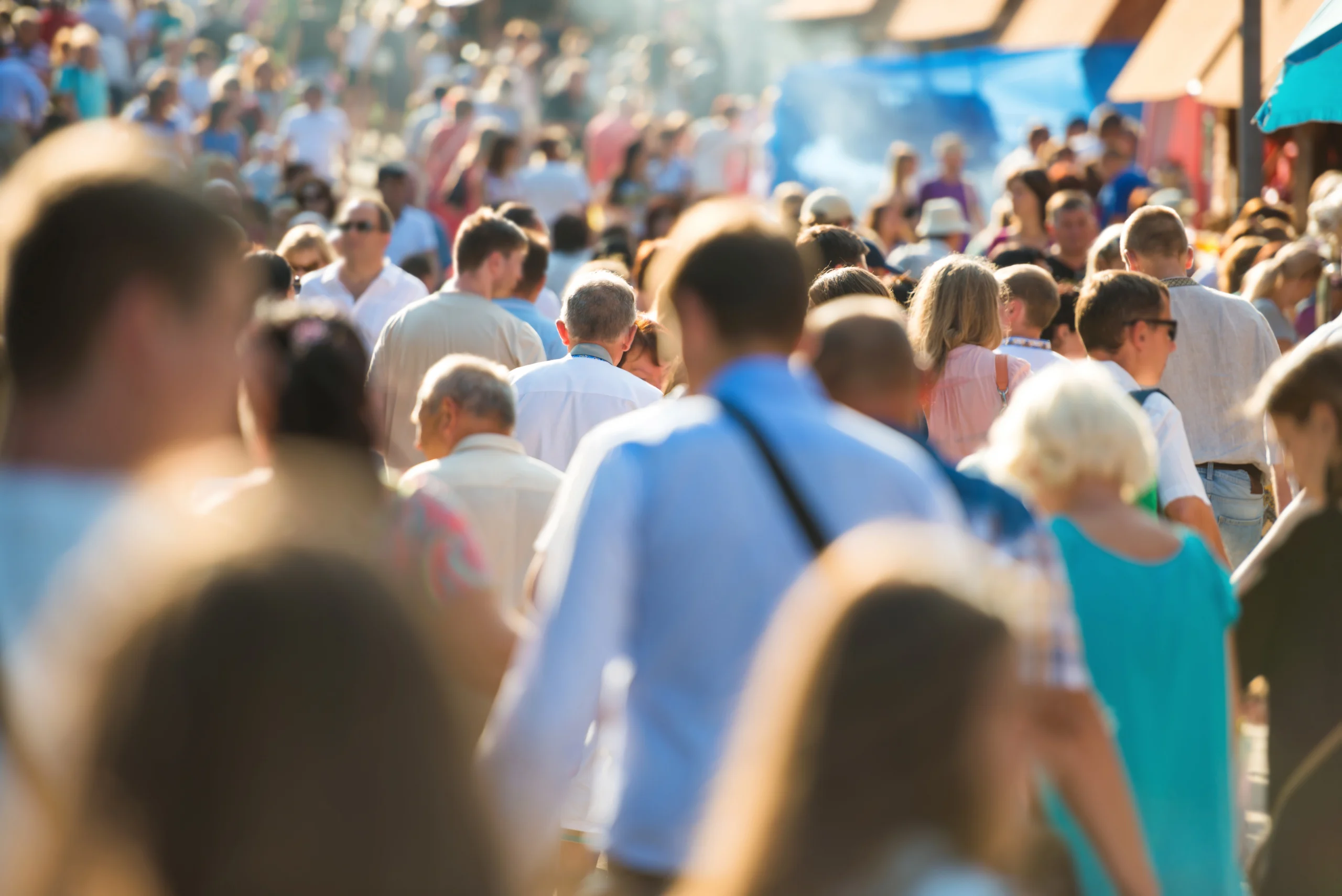
Security drones add another layer of visibility that supports crowd management. From above, drones can identify bottlenecks, overcrowded zones, and irregular crowd movement patterns as they unfold. This information can then be used to adjust entry and exit flows and redirect foot traffic before conditions become dangerous.
5. Additional Crime Deterrence
Drone security during events can help reduce attempts at crimes such as pickpocketing, theft of personal belongings, vandalism, and unauthorized access to restricted areas. While drones operate discreetly (and without disturbing the event), their presence can still be noticed by attendees, who will know their actions are being recorded, making potential offenders think twice.
For example, pickpockets can often evade guards and standard surveillance cameras by blending into crowds or turning their backs to hide their actions. Drones, hovering above, remove these blind spots, making it much harder for individuals to conceal themselves. The aerial perspective also allows operators to spot suspicious behavior that might be missed from the ground.
Other factors contributing to crime deterrence include the unpredictability of drone patrol routes and the ability to quickly alert on-site security to intervene before a crime is completed.
Implementation tip: Place subtle signage throughout the venue to inform attendees that drones are monitoring the area. Wording should feel friendly and reassuring, such as: “Drones overhead to help keep you safe” or “Aerial monitoring in place for your security”, to boost deterrence without making attendees feel overly surveilled.
6. Reduced Security Costs
When security drones act as eyes in the sky, event organizers can save on other security measures. Security guards remain a vital part of any event setup, but large events often require hiring significant numbers of personnel to monitor every area effectively.
Drones can supplement these teams by covering wide areas quickly, reducing the need for extra guards in less critical zones. Some drones can even operate autonomously and return to docking stations for charging, which makes staffing demands even lower.
Drones also help minimize equipment costs since they can cover hundreds of acres per flight, meaning fewer cameras or fixed monitoring stations are needed across the venue, making them a flexible and cost-efficient alternative (or addition) to other security measures.
Implementation tip: Identify areas where crowds gather, entrances and exits, stages, and any spots that are hard to monitor from the ground. Prioritize drone flights over these zones rather than trying to cover the entire site constantly to make the most of each flight.
Protect Your Event Attendees and Maintain Order With Drone Security
Drones offer a new way to manage event security by continuously monitoring the crowd and perimeter from above, reducing the need for excessive on-ground personnel while providing coverage across large or complex venues.
Integrating drones into your security plan allows teams to spot hazards early, respond quickly to emergencies, and maintain smooth crowd flow, all while supporting coordination with law enforcement or medical responders. With the right planning, drones can scale to events of any size and improve overall safety for everyone on the premises.
For more information on how drone security can be applied to your events, contact our team at Drone Patrol to begin designing a strategy tailored to your next gathering.